

How to get a Travel visa to Vietnam?: A-to-Z guide in 2024
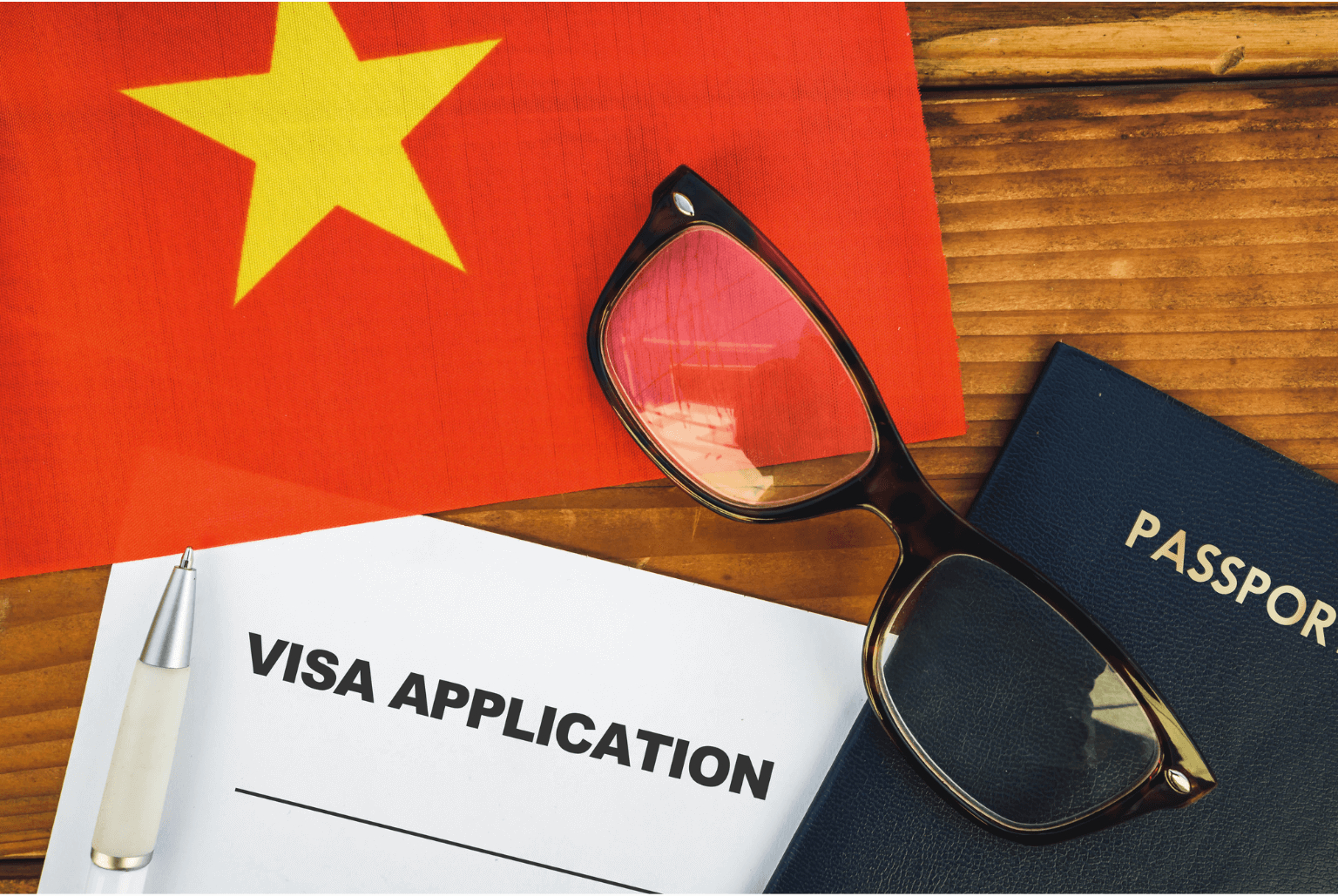
Traveling to Vietnam is an exciting prospect because of its vibrant cities, stunning landscapes, and rich cultural tapestry. Getting a travel visa is an essential step to take before you can fully appreciate the beauty of this Southeast Asian treasure. It can be difficult to navigate the complexities of visa applications, but do not worry! This all-inclusive manual will lead you through the procedure while offering insightful advice to guarantee a seamless and successful visa application.
What is a travel visa?
A travel visa is an official document issued by a nation's government that grants permission for a foreign visitor to enter and remain inside its borders for a predetermined amount of time and purpose. A travel visa is intended to control and oversee the entry of foreign nationals into a nation and to guarantee that visitors abide by the rules and laws of the destination nation.
Important details regarding travel visa consist of:
- Types and Purpose: Most of the time, travel visas are issued for particular reasons like business, tourism, education, employment, or visiting relatives. To meet the wide range of motivations people may have for traveling, several kinds of visas are offered.
- Duration: The amount of time that can be spent in the country of origin is specified on visas. It is imperative that travelers follow this deadline because exceeding it may have legal repercussions.
- Application Process: Usually, to obtain a travel visa, one must apply in person at the consulate or embassy of the intended country. Providing details about the visit's goal, the itinerary, evidence of financial stability, and other supporting documentation are frequently required during the application process.
- Conditions of Entry: Visas may be granted for one or more entries. A multiple-entry visa allows the traveler to enter the country multiple times within the allotted period, whereas a single-entry visa only allows one entry.
- Visa Fees: In order to process visas, governments frequently charge a fee. The amount may change depending on the kind of visa, how long you plan to stay, and other elements. Even in cases where the application is rejected, visa fees are normally non-refundable.
- Visa Exemptions: Certain countries have agreements with other countries exempting their citizens from the need for a visa in order to enter for brief visits. The terms and length of visa exemptions, however, differ.
- Validity: A visa's validity period describes the window of time that a visitor may use it to enter the nation. It's crucial to remember that the validity period and the length of stay are not always the same.
- Compliance: Passengers are required to abide by the terms of their visa. If you don't, you risk fines, deportation, and other consequences. This involves honoring the visit's objectives as stated in the visa application.
A step-by-step guide to get a travel visa Vietnam
Obtaining a travel visa for Vietnam involves several steps. Here's a step-by-step guide to help you get a travel visa to Vietnam:
Step 1: Decide what kind of visa you require.
- Tourist Visa: Should you be traveling to Vietnam for leisure?
- Business visa: If you're going on a business trip.
- Other Categories: Vietnam provides different types of visas for a range of objectives, including work, study, and visiting family.
Step 2: Verify Your Visa Exemption
Verify whether your country qualifies you for visa exemptions. Certain nations have visa-free entry agreements with Vietnam that are valid for a set amount of time for their citizens.
Step 3: Collect Necessary Paperwork
- Passport: Make sure your passport is valid for at least six months after the date you intend to leave Vietnam. Have a page set aside at least for stamps on your visa.
- Application Form for a Visa: Fill out the visa application as precisely as possible. This could be found on the Vietnam Embassy or Consulate's official website.
- Passport Photos: Get ready for passport-sized pictures that adhere to the guidelines.
- Flight Schedule: Present a copy of your flight itinerary as identification of your intended entry and departure dates.
- Hotel Reservation: Verification of lodging may be necessary for certain visas. Prepare the details of your hotel reservation.
- Letter of Invitation (if applicable): A letter of invitation from a Vietnamese business partner may be required in order to obtain a business visa.
Step 4: Visa Application Process
- Online Application (if applicable): Online applications are accepted for certain visas. Verify if this option is available, then submit your application online.
- Visit the Embassy or Consulate: Go to the Vietnamese Embassy or Consulate that is closest to you if the online application is not applicable. For information on office hours and any special requirements, visit their official website.
- Send in your application: Send in the filled-out application along with the necessary paperwork.
- Cover Visa Fee: Cover the cost of obtaining a visa. The type of visa you need and your country of origin may affect the cost.
Step 5: Get your visa
- Processing time: Processing times differ. Await the processing of your visa after confirming the anticipated processing time.
- Collect Visa: After your application has been accepted, pick it up at the Embassy or Consulate, or proceed as directed by the online application process.
Step 6: Arrival in Vietnam
Verify the details of your visa: As soon as you receive your visa, make sure all the information is correct.
Show your visa upon arrival: Present your visa when you arrive in Vietnam if you have one.
How long can I stay in Vietnam?
The most common kind of visa for Vietnam is the tourist visa, which typically has a 15–30 day validity period. You may be able to apply for a three-month tourist visa in certain situations; the process is the same as for a one-month visa. Put differently, the duration of a Vietnamese tourist visa can range from 15 days to 3 months.
Where to travel in Vietnam?
Vietnam is a diverse and culturally rich country with a wide range of destinations to explore. When you get a visa to Vietnam, don’t miss the chance to visit these most popular famous places.
- Hanoi: The nation's capital is renowned for its colorful street markets, old architecture, and fusion of French and Vietnamese cultures. The Old Quarter, the Temple of Literature, and Ho Chi Minh's Mausoleum should not be missed.

- Halong Bay: Halong Bay is a UNESCO World Heritage Site that is well-known for its breathtaking limestone karsts and emerald waters. A popular way to take in its beauty is via cruises.

- Hue: the historically rich former capital of the empire. Investigate the pagodas, royal tombs, and old citadel. The city's charm is enhanced by the Perfume River.

- Hoi An: An old town that has been preserved and is well-known for its vibrant atmosphere, lovely architecture, and lantern-lit evenings. It is renowned for its tailor shops as well.
- Da Nang: A city by the sea that blends traditional and modern architecture. Notable attractions include the Marble Mountains, the Dragon Bridge, and My Khe Beach.
- Nha Trang: A beach resort featuring the Vinpearl amusement park, water sports, and a vibrant nightlife. The city is renowned for its hot springs and mud baths as well.
- Ho Chi Minh City (Saigon): Vietnam's largest city provides a bustling urban experience. Discover the thriving Ben Thanh Market, Notre-Dame Cathedral Basilica of Saigon, and the War Remnants Museum.
- Phong Nha-Ke Bang National Park: Home to enormous cave systems and breathtaking karst scenery, including the world's largest cave, Son Doong Cave.
- Da Lat: A hill station renowned for its gorgeous scenery, cool climate, and French colonial architecture. It's common to refer to Dalat as the "City of Eternal Spring."
- Sapa: Nestled in the northern mountains, Sapa is renowned for its trekkers' opportunities, terraced rice fields, and ethnic minority villages.
Conclusion
Getting a travel visa to Vietnam is essential to fulfilling your desire to visit this fascinating nation. You can confidently navigate the application process and ensure a seamless entry into Vietnam's vibrant landscapes, rich culture, and historical wonders by adhering to the comprehensive guide provided. Hope you will get a travel visa to Vietnam smoothly to explore the famous places of this beautiful country.